Storage tanks are an important part of many industrial and commercial facilities in Ghana. They are used to store products such as fuel, water, chemicals, petroleum products and other industrial liquids.
Storage tank construction in Ghana requires careful consideration of tank capacity, stored product, site conditions, material selection, corrosion protection and applicable engineering standards.
At 360RedSquad, we provide engineering, fabrication, installation, maintenance and repair solutions for storage tanks and associated facilities.
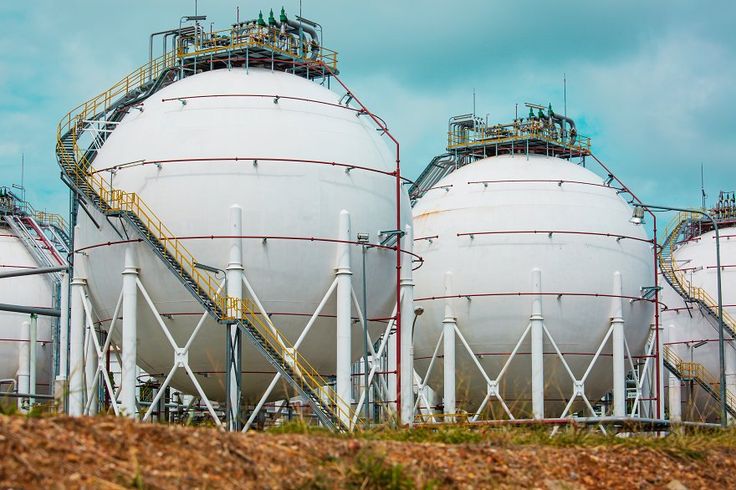
What Is a Storage Tank?
A storage tank is an engineered container designed to safely hold liquids or other materials for a specific period.
Storage tanks can range from relatively small tanks for water and industrial applications to very large above-ground tanks used in petroleum terminals, refineries, power plants, mining operations and other industrial facilities.
The appropriate tank design depends on several factors, including:
- Storage capacity
- Product being stored
- Operating temperature
- Operating pressure
- Tank diameter and height
- Material specification
- Site conditions
- Corrosion requirements
- Applicable engineering standards
- Loading and environmental conditions
Storage Tank Construction in Ghana: Types and Applications
Different applications require different tank configurations.
1. Above Ground Storage Tanks
For above-ground welded steel tanks used for petroleum and other liquid products, applicable engineering standards such as API 650 provide requirements for materials, design, fabrication, erection and inspection.
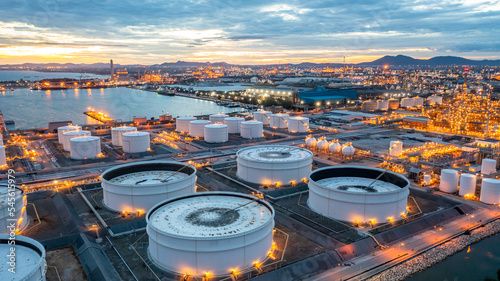
They are commonly found in:
- Fuel storage terminals
- Oil and gas facilities
- Mining operations
- Power plants
- Water treatment facilities
- Manufacturing plants
- Industrial warehouses
Large above ground tanks can be designed and fabricated according to the requirements of the project and applicable engineering standards.
2. Vertical Storage Tanks
Vertical cylindrical tanks are commonly used where large storage volumes are required.
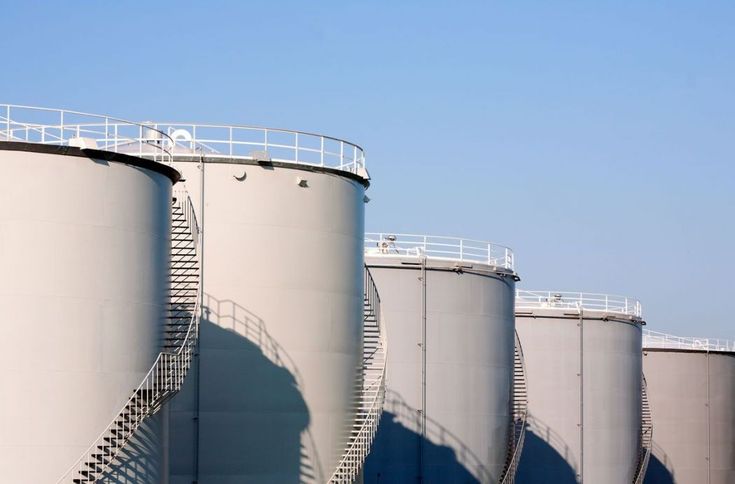
Their design can include:
- Fixed roofs
- Floating roofs
- Cone roofs
- Internal floating roofs
- External floating roofs
The appropriate roof configuration depends on the stored product and operational requirements.
3. Horizontal Storage Tanks
Horizontal tanks are often used for smaller capacities and applications where site conditions or operational requirements make a horizontal configuration more suitable.
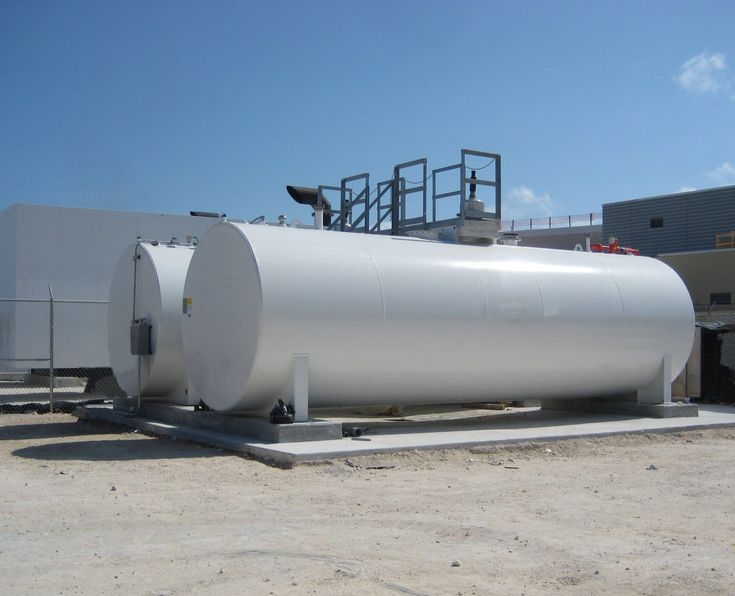
They can be used for:
- Diesel
- Water
- Lubricants
- Chemicals
- Process liquids
- Other industrial products
4. Water Storage Tanks
Water tanks are used in residential, commercial, industrial and infrastructure projects.
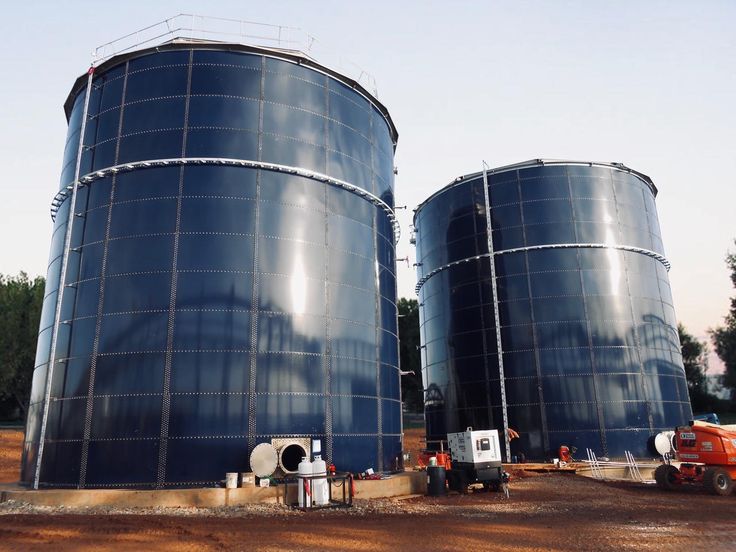
Applications include:
- Process water
- Fire water
- Potable water
- Raw water
- Industrial water
- Emergency water storage
What Materials Are Used for Storage Tanks?
The material selected for a storage tank depends largely on the stored product, operating conditions, required service life and applicable design requirements.
Common materials include:
Carbon steel
Carbon steel is widely used for large industrial storage tanks because of its structural strength, availability and suitability for many applications.
Stainless steel
Stainless steel may be selected where corrosion resistance, hygiene or product compatibility is important.
Other materials
Depending on the application, tanks may also use specialized materials or protective systems designed to resist corrosion or chemical attack.
Material selection should always be carried out as part of the engineering design rather than simply choosing a material based on price.
How Much Does Storage Tank Construction Cost in Ghana?
The cost of constructing a storage tank in Ghana depends on the project requirements and cannot be determined accurately from capacity alone.
Important cost factors include:
- Tank capacity
- Diameter and shell height
- Steel plate thickness
- Steel grade
- Roof design
- Bottom plate configuration
- Internal structures
- Nozzles and manholes
- Piping connections
- Valves and instrumentation
- Foundation requirements
- Coating and painting
- Insulation
- Welding requirements
- Inspection and testing
- Transportation
- Crane and lifting requirements
- Installation location
- Labour
- Applicable taxes and logistics
For a proper project estimate, the tank should first be defined by its capacity, stored product, dimensions, design requirements and site conditions.
Storage Tank Design and Engineering
Engineering is one of the most important stages of a storage tank project.
Before fabrication begins, engineers may need to establish:
- Tank capacity
- Tank diameter
- Shell height
- Plate thickness
- Roof configuration
- Bottom configuration
- Nozzle sizes and locations
- Manholes
- Ladders and platforms
- Wind loads
- Seismic considerations where applicable
- Foundation loads
- Corrosion allowance
- Hydrostatic test requirements
The design must also consider the characteristics of the product being stored.
For petroleum and industrial applications, applicable standards may include API 650 and other relevant project specifications and regulations.
Storage Tank Fabrication
Once the engineering design has been completed and approved, fabrication can begin.
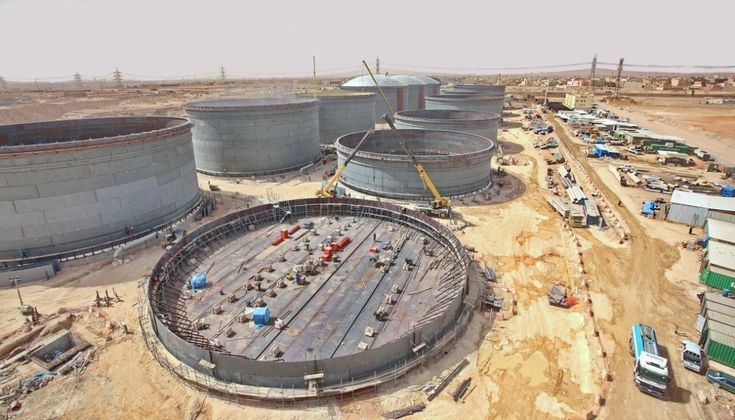
Typical fabrication activities include:
- Material procurement
- Material inspection
- Plate cutting
- Plate forming
- Shell course fabrication
- Bottom plate fabrication
- Roof fabrication
- Nozzle fabrication
- Manhole fabrication
- Structural attachment fabrication
- Welding
- Inspection and testing
- Surface preparation
- Coating or painting
Quality control is important throughout the fabrication process.
Professional storage tank construction in Ghana requires proper material selection, qualified fabrication, inspection and installation procedures.
Storage Tank Installation
Tank installation requires proper planning and coordination.
Depending on the tank size and site conditions, installation may involve:
- Foundation inspection
- Bottom plate installation
- Shell erection
- Roof installation
- Nozzle installation
- Stairway and platform installation
- Piping connections
- Welding
- NDT
- Hydrostatic testing
- Coating
- Final inspection
Large tanks require appropriate lifting equipment, competent personnel and a properly planned erection sequence.
Storage Tank Inspection and Maintenance
A storage tank should not simply be constructed and forgotten.
Regular inspection and maintenance can help identify problems before they become major failures.
Inspection may include checking for:
- Corrosion
- Plate thinning
- Weld defects
- Foundation settlement
- Roof damage
- Leakage
- Coating failure
- Nozzle deterioration
- Piping problems
- Structural damage
Depending on the tank and service conditions, inspection methods may include visual inspection, ultrasonic thickness measurement and other applicable non-destructive testing methods.
Why Choose 360RedSquad?
360RedSquad provides engineering and construction solutions for industrial projects, including storage tank fabrication, installation, maintenance and repair.
Our capabilities include:
- Engineering and design
- Storage tank fabrication
- Tank erection
- Welding and fabrication
- Piping works
- Tank maintenance
- Tank repair
- Abrasive blasting and painting
- Non-destructive testing
- Industrial construction
- Steel structural works
Our approach is based on proper engineering, quality fabrication, safe execution and practical project management.
Quality storage tank construction in Ghana requires proper engineering design, fabrication, inspection and installation to achieve long-term reliability.
Conclusion
Successful storage tank construction in Ghana requires much more than fabricating a cylindrical steel container. The project must consider engineering design, materials, fabrication, welding, inspection, foundation requirements, installation, coating and long-term maintenance.
Whether the project involves a water tank, fuel storage tank, industrial process tank or large petroleum storage facility, proper engineering and execution are essential for safe and reliable operation.
360RedSquad can support clients from engineering and procurement through fabrication, installation, testing and maintenance.
Need a storage tank project assessed or priced? Contact 360RedSquad to discuss your project requirements.
Choosing an experienced contractor for storage tank construction in Ghana can help ensure safety, durability and compliance with applicable engineering standards.