Pipeline systems are an important part of Ghana’s industrial and infrastructure development. They are used to transport water, petroleum products, chemicals, gas, process fluids and other materials between storage facilities, processing plants, industrial facilities and distribution points.
Successful pipeline construction in Ghana requires much more than simply installing pipes. A properly executed pipeline project involves engineering design, material selection, welding and fabrication, route preparation, installation, inspection, testing, corrosion protection, quality control and safety management.
At 360RedSquad, we provide engineering, fabrication, pipeline installation, welding, structural support and industrial construction solutions for pipeline projects in Ghana and across Africa.
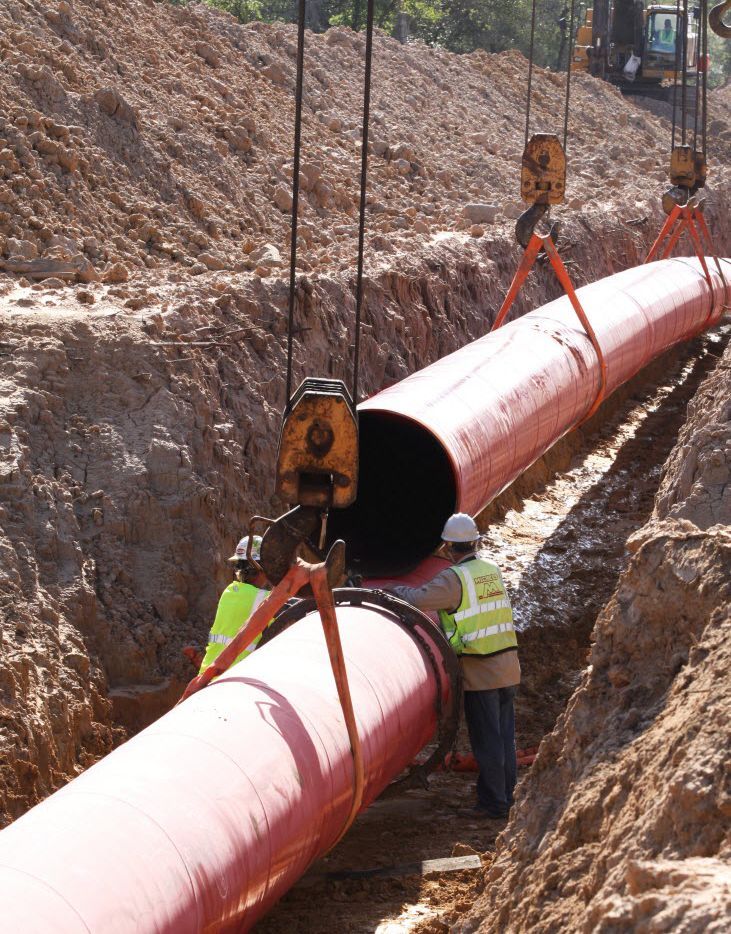
Pipeline construction in Ghana requires careful planning because pipeline systems can transport water, petroleum products, chemicals, gas and other materials under different operating conditions.
What Is Pipeline Construction?
Pipeline construction is the process of engineering, fabricating, installing, testing and commissioning a pipeline system designed to transport fluids, gases or other materials safely and efficiently.
Depending on the application, a pipeline may be installed above ground, underground, within an industrial facility or across a combination of different environments.
Pipeline projects can range from relatively short process pipelines inside factories to long-distance systems connecting storage terminals, processing facilities, pumping stations and distribution networks.
A complete pipeline project may include:
- Pipeline engineering and design
- Route and site surveys
- Pipe material selection
- Pipe procurement
- Pipe cutting and preparation
- Welding and fabrication
- Pipe supports and structural steelwork
- Valve and flange installation
- Pipeline installation
- Pressure testing
- Non-destructive testing
- Surface preparation and coating
- Corrosion protection
- Insulation where required
- Hydrostatic or other applicable testing
- Commissioning and handover
The design and construction method should always be based on the service conditions, applicable codes, client specifications and site requirements.
Applications of Pipeline Systems in Ghana
Pipeline systems are used across many industries in Ghana.
Oil and Gas
Pipeline systems are commonly required for transporting petroleum products, crude oil, refined products and other hydrocarbons between storage and processing facilities.
Typical applications include:
- Fuel transfer lines
- Tank farm piping
- Loading and unloading pipelines
- Pumping station piping
- Process pipelines
- Product transfer lines
- Oil and gas facility piping
Water and Industrial Utilities
Industrial facilities require pipelines for transporting water and other utilities.
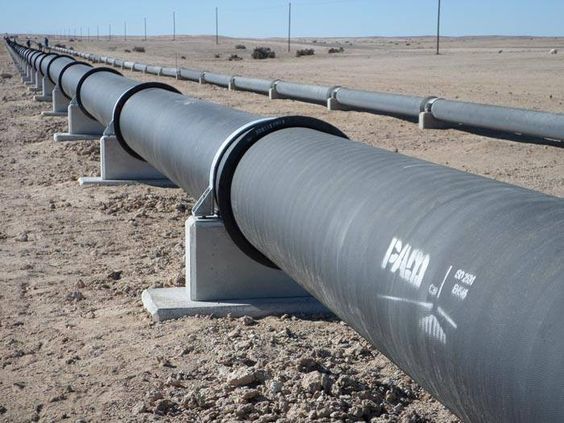
Examples include:
- Raw water pipelines
- Process water pipelines
- Firewater systems
- Cooling-water systems
- Wastewater pipelines
- Compressed-air systems
- Utility piping
Mining and Mineral Processing
Mining operations can require extensive pipeline systems for transporting water, slurry, process fluids and other materials.
Pipeline design must consider factors such as pressure, flow rate, abrasion, corrosion and the properties of the transported material.
Power Plants and Industrial Facilities
Power generation and industrial facilities can require complex networks of process and utility pipelines.
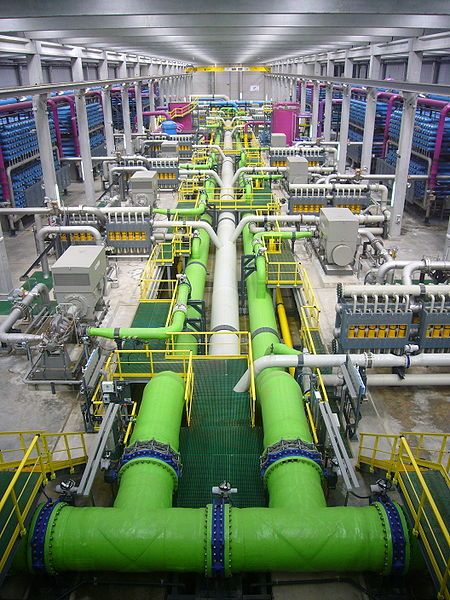
These systems may include:
- Cooling-water piping
- Fuel piping
- Steam-related systems
- Compressed-air piping
- Chemical dosing lines
- Drainage systems
- Fire protection piping
Pipeline Design and Engineering
Good pipeline construction begins with proper engineering.
Before fabrication or installation starts, engineers should establish the requirements of the pipeline system and determine the appropriate pipe size, material, thickness, routing, supports and connection arrangements.
Important design considerations include:
- Design pressure
- Operating pressure
- Design temperature
- Operating temperature
- Fluid properties
- Flow rate
- Pipe diameter
- Wall thickness
- Corrosion allowance
- Pipe material
- Pipeline route
- Expansion and flexibility
- Supports and anchors
- Valves and fittings
- Drain and vent arrangements
- Inspection requirements
- Testing requirements
The engineering team must also consider environmental conditions, accessibility, maintenance requirements and potential hazards.
For major industrial projects, pipeline design should be coordinated with civil, structural, mechanical, electrical and process engineering requirements.
Pipeline Materials and Specifications
The material selected for a pipeline depends on the product being transported and the operating conditions.
Common pipeline materials include:
- Carbon steel
- Stainless steel
- HDPE
- PVC and other thermoplastic materials
- Alloy steel
- Specialized corrosion-resistant materials
Carbon steel pipelines are widely used for many industrial applications because of their strength and availability.
For petroleum and industrial pipeline systems, specifications may reference standards such as API and ASME requirements, together with applicable ASTM material specifications and project-specific requirements.
The correct material grade, pipe schedule or wall thickness, fittings, flanges, valves and other components must be verified against the approved engineering documents before fabrication begins.
Pipe Welding and Fabrication
Welding is one of the most important activities in pipeline construction.
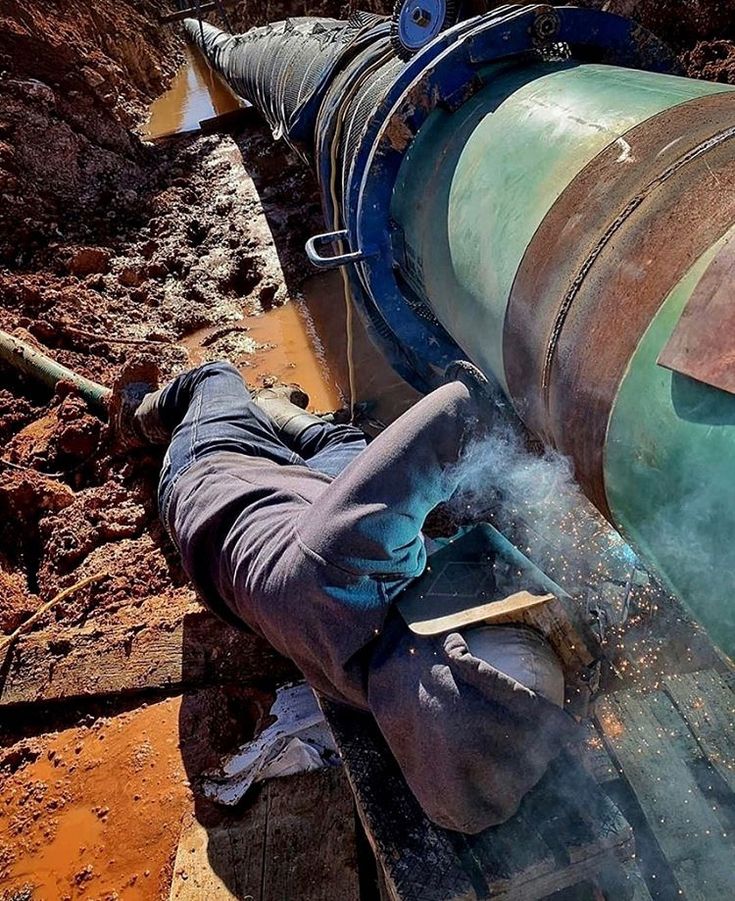
Poor welding can result in leaks, failures, production losses and serious safety consequences. Pipeline welding should therefore be carried out by qualified personnel using approved welding procedures.
Pipeline fabrication may involve:
- Pipe cutting
- Edge preparation
- Fit-up
- Tack welding
- Root welding
- Fill and cap passes
- Flange welding
- Branch connections
- Valve installation
- Dimensional inspection
- Weld inspection
- Surface preparation
Welding procedures should be appropriate for the pipe material, thickness, diameter, service conditions and applicable project requirements.
Where required, welders should be qualified for the relevant welding process and position.
Pipeline Installation Methods
Effective pipeline construction in Ghana depends on selecting the appropriate installation method for the site conditions, pipeline service and project requirements.
Pipeline installation depends on the project location and the physical environment.
Above-Ground Pipeline Installation
Above-ground pipelines are commonly used in industrial facilities, tank farms, pump stations and processing plants.
They may be supported using:
- Pipe racks
- Steel supports
- Concrete supports
- Pipe shoes
- Structural frames
- Anchors and guides
Proper support spacing and flexibility are important to prevent excessive movement, stress or deformation.
Underground Pipeline Installation
Underground pipelines require additional consideration for:
- Excavation
- Bedding
- Pipeline depth
- Soil conditions
- Backfilling
- Corrosion protection
- Road crossings
- Drainage
- Warning and identification systems
The installation method should be determined from the engineering design and site conditions.
Pipeline Supports and Structural Steel
Pipeline systems often require structural steelwork to provide safe and stable support.
Depending on the project, this may include:
- Pipe racks
- Pipe bridges
- Steel support frames
- Platforms
- Walkways
- Pipe shoes
- Guides
- Anchors
- Equipment support structures
The structural components must be designed to safely carry the pipe weight, fluid weight, thermal effects, wind loads and other applicable loads.
This is particularly important for large industrial facilities where multiple pipelines may run through the same pipe rack or structural system.
Pipeline Inspection and Non-Destructive Testing
Inspection and testing are essential parts of pipeline construction in Ghana.
Depending on the project requirements, inspection may include:
- Visual inspection
- Dimensional inspection
- Weld inspection
- Radiographic testing
- Ultrasonic testing
- Magnetic particle testing
- Dye penetrant testing
- Pressure testing
- Coating inspection
Non-destructive testing (NDT) allows welds and materials to be examined without destroying the components.
The required inspection method and percentage of weld examination should be determined by the applicable code, specification, service conditions and client requirements.
Pipeline Pressure Testing
Before a pipeline is placed into service, it may need to undergo pressure testing to verify its integrity.
Hydrostatic testing is commonly used for suitable systems and involves filling the pipeline with an appropriate test medium and pressurizing it according to the approved test procedure.
Testing activities should be properly controlled and documented.
A typical testing process may include:
- Review approved test documentation.
- Confirm test boundaries.
- Install temporary blinds and test equipment where required.
- Fill the pipeline.
- Remove trapped air.
- Conduct the pressure test according to the approved procedure.
- Monitor pressure and test duration.
- Inspect for leaks or abnormal conditions.
- Depressurize safely.
- Drain or dispose of the test medium appropriately.
- Record and document the results.
The actual test pressure and acceptance criteria must come from the applicable design code and approved project documentation rather than being assumed.
Corrosion Protection and Coating
Pipeline corrosion can significantly reduce service life if it is not properly controlled.
Depending on the pipeline material and operating environment, corrosion protection may include:
- Protective coatings
- Painting systems
- Internal lining
- Cathodic protection
- Corrosion allowance
- Appropriate material selection
- Insulation systems where applicable
Surface preparation is also critical because coating performance depends heavily on proper surface condition.
Industrial coating systems should be applied according to the approved coating specification and manufacturer’s requirements.
Pipeline Construction Safety
Pipeline construction can involve several significant hazards.
These may include:
- Welding and hot work
- Excavation
- Lifting operations
- Working at height
- Pressure testing
- Confined spaces
- Heavy equipment
- Hazardous materials
- Flammable products
- Traffic and vehicle movement
A proper HSE system should therefore be implemented throughout the project.
Important controls may include:
- Permit-to-work systems
- Risk assessments
- Method statements
- Toolbox meetings
- PPE
- Hot-work controls
- Lifting plans
- Excavation controls
- Gas testing where required
- Emergency response procedures
- Fire prevention measures
- Qualified personnel
Safety requirements should be established before work starts and maintained throughout construction.
Engineering Standards for Pipeline Projects
Pipeline projects should be designed and constructed according to the codes, standards and specifications applicable to the particular service.
Depending on the project, applicable references may include:
- API standards
- ASME standards
- ASTM material specifications
- ISO standards
- AWS welding requirements
- Client engineering specifications
- Local regulatory requirements
For example, the American Petroleum Institute (API) publishes standards and technical requirements relevant to petroleum, natural gas and related industries.
The exact standards applicable to a project should be established during engineering and documented in the project’s design basis and specifications.
7 Key Requirements for Successful Pipeline Construction in Ghana
A successful pipeline project should pay particular attention to the following seven areas:
1. Proper Engineering Design
The pipeline must be designed for its intended operating conditions, including pressure, temperature, flow and transported product.
2. Correct Material Selection
Pipe, fittings, valves and other components must be compatible with the service conditions.
3. Qualified Welding and Fabrication
Welding and fabrication should be performed using approved procedures and suitably qualified personnel.
4. Quality Inspection and Testing
Inspection, NDT and pressure testing should be performed according to the approved quality plan and applicable requirements.
5. Proper Installation
Pipelines must be correctly routed, supported, aligned and installed according to approved drawings and specifications.
6. Corrosion Protection
The appropriate coating and corrosion-control system should be selected and properly applied.
7. Strong HSE Management
Safety must be integrated into every stage of the project, from site preparation through commissioning.
Pipeline Construction Cost in Ghana
The cost of a pipeline project depends on many factors, so a reliable quotation cannot be based only on pipe length.
Important cost factors include:
- Pipeline diameter
- Pipe wall thickness
- Material grade
- Total pipeline length
- Type of product transported
- Above-ground or underground installation
- Number of valves and fittings
- Number of pipe connections
- Welding requirements
- NDT requirements
- Coating system
- Pipe supports
- Pipe racks
- Excavation requirements
- Road or water crossings
- Site conditions
- Equipment requirements
- Labour
- Transportation
- Testing and commissioning
For this reason, a professional pipeline contractor should review the drawings, specifications, route, quantities and site conditions before preparing a detailed quotation.
How to Choose a Pipeline Construction Company in Ghana
Selecting the right contractor can have a major effect on the quality, safety and cost of a pipeline project.
Before appointing a contractor, consider:
- Engineering capability
- Pipeline fabrication experience
- Welding capability
- Qualified welding personnel
- NDT capability
- Quality management
- HSE performance
- Equipment availability
- Project management capability
- Previous industrial projects
- Ability to work with approved drawings and specifications
- Understanding of applicable engineering standards
A contractor that can provide engineering, procurement, fabrication, installation, testing and commissioning support can also help improve coordination between different project activities.
Why Professional Pipeline Engineering Matters
Pipeline systems can operate under pressure and may transport hazardous, valuable or environmentally sensitive products.
Errors in design, fabrication or installation can therefore result in leaks, equipment damage, production interruptions, environmental incidents or serious safety risks.
Professional engineering helps ensure that the pipeline system is properly designed, fabricated, installed, inspected and tested before being placed into service.
At 360RedSquad, we support industrial projects through engineering, fabrication, welding, structural steelwork, pipeline installation, inspection coordination and construction management.
Our engineering and construction services can be adapted to the technical requirements of individual projects.
Professional pipeline construction in Ghana brings together engineering, material selection, welding, installation, inspection, testing and HSE management.
Conclusion
Successful pipeline construction in Ghana requires proper engineering, quality materials, qualified welding and fabrication, controlled installation, inspection, testing, corrosion protection and strong HSE management.
Whether the project involves petroleum pipelines, industrial process piping, water pipelines, mining applications or utility systems, each pipeline should be designed and constructed according to its specific operating conditions and applicable engineering requirements.
360RedSquad provides engineering, fabrication, pipeline construction and industrial construction solutions for projects in Ghana and across Africa.
If you are planning a pipeline project, our team can review your requirements, drawings, specifications and scope of work and provide an appropriate engineering and commercial solution.
Planning a Pipeline Project?
Contact 360RedSquad to discuss your pipeline engineering, fabrication, installation and construction requirements.