Structural steel is widely used in construction because it provides strength, flexibility, durability and efficient construction for many types of buildings and industrial facilities. Structural steel construction in Ghana is increasingly used for warehouses, industrial buildings, commercial facilities, platforms and other engineered structures.
Structural steel construction in Ghana is suitable for projects ranging from warehouses and factories to commercial buildings, bridges, platforms, industrial plants and other engineered structures.
A successful structural steel project requires more than the fabrication of steel members. It involves engineering design, material selection, detailing, fabrication, quality control, transportation, erection and final inspection.
At 360RedSquad – Engineering and Construction Company Limited, we provide engineering, structural steel fabrication, welding, steel erection and construction solutions for projects in Ghana.
Choosing the right approach to structural steel construction in Ghana can help improve project quality, construction efficiency, safety and long-term performance.
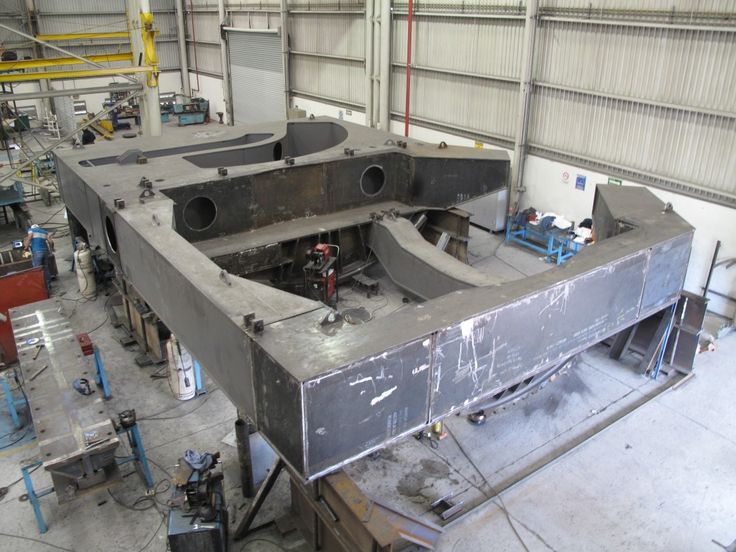
What Is Structural Steel Construction?
Structural steel construction is the process of using engineered steel members to create a building or supporting structure capable of carrying the required loads safely.
Structural steel may include:
- Universal Beams (UB)
- Universal Columns (UC)
- I-sections
- H-sections
- Channels
- Angles
- Flat bars
- Steel plates
- Hollow sections
- Circular hollow sections
- Rectangular hollow sections
- Connection plates
- Bracing members
These components are connected using bolted or welded connections according to the approved engineering design.
Where Is Structural Steel Used in Ghana?
Structural steel can be used for many different types of projects.
Structural steel is also an important component of industrial facilities that require storage tank construction in Ghana, including tank support structures, platforms, pipe racks and associated steelwork
Industrial Buildings
Steel frames are commonly suitable for:
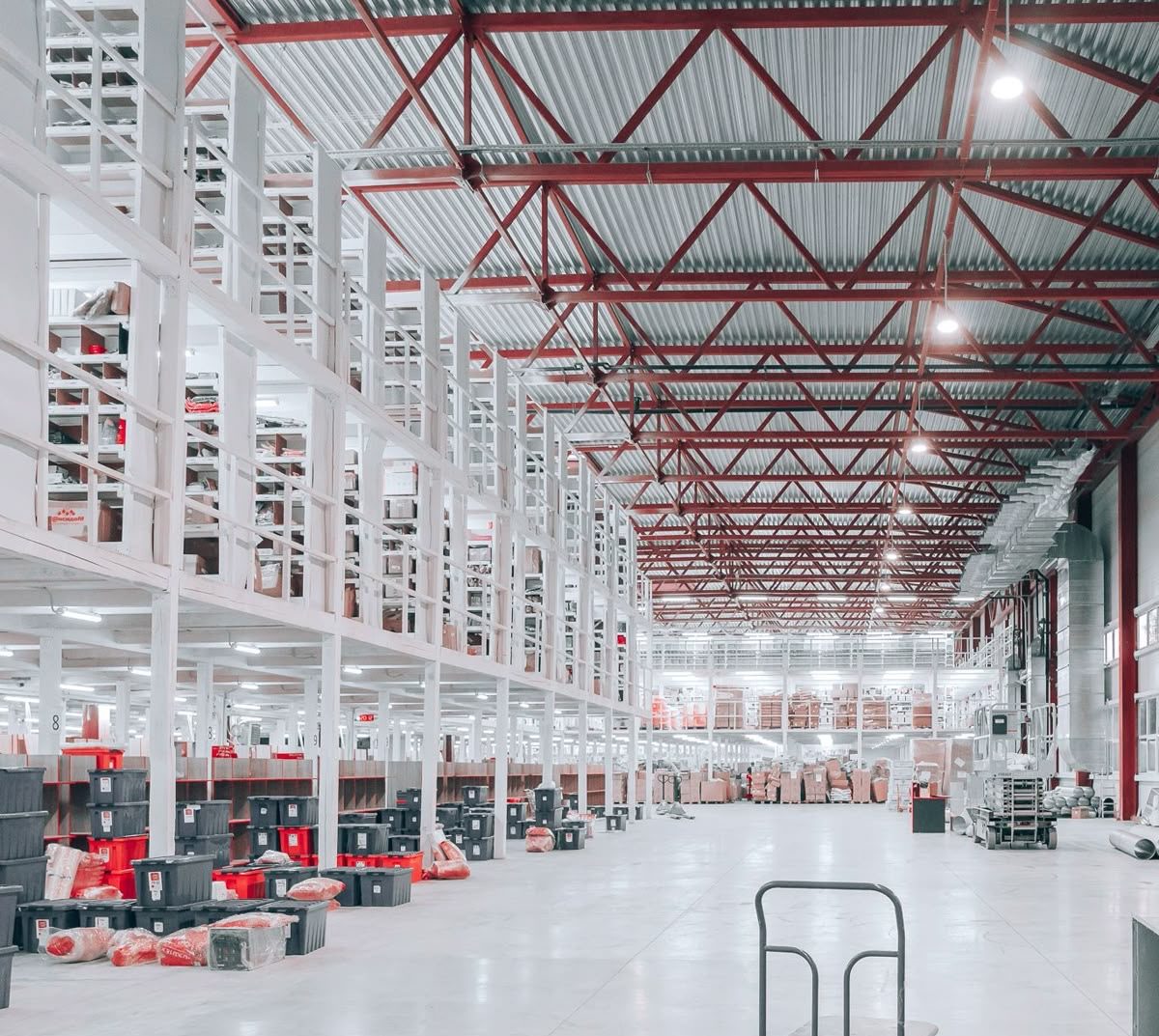
- Manufacturing facilities
- Processing plants
- Workshops
- Factories
- Industrial warehouses
- Maintenance facilities
Warehouses
Steel structures are particularly useful for warehouses because they can provide large clear spans and flexible internal spaces.
They can accommodate:
- Storage areas
- Loading bays
- Offices
- Workshops
- Mezzanine floors
- Equipment areas
Commercial Buildings
Structural steel can also be used for:
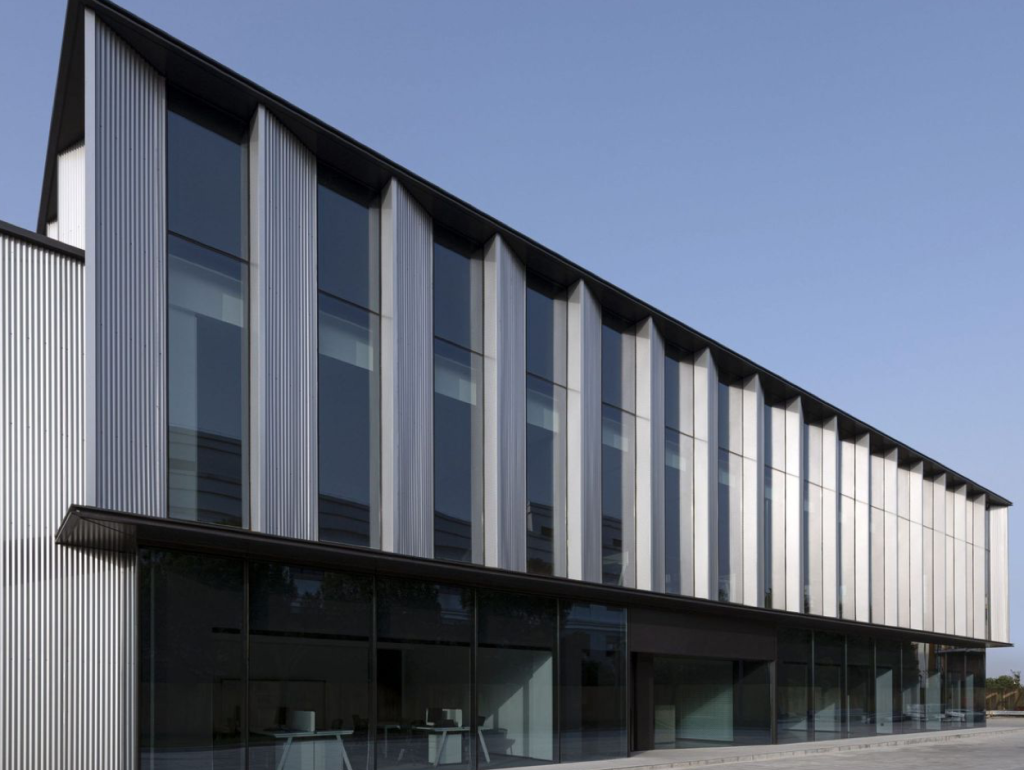
- Shopping facilities
- Office buildings
- Commercial warehouses
- Retail buildings
- Parking structures
Bridges and Infrastructure
Engineered steel structures can be used in:
- Pedestrian bridges
- Industrial bridges
- Access platforms
- Pipe bridges
- Service bridges
- Infrastructure projects
Industrial Platforms and Supports
Steel is also widely used for:
- Equipment platforms
- Pipe racks
- Staircases
- Walkways
- Handrails
- Equipment supports
- Conveyor supports
- Maintenance platforms
Structural Steel Design
The design stage is one of the most important parts of structural steel construction in Ghana.
Structural steel projects should be designed, fabricated and erected in accordance with applicable engineering standards and project specifications. The American Institute of Steel Construction (AISC) provides widely recognized resources for structural steel design and construction.
Before fabrication begins, engineers need to understand the project’s requirements and loading conditions.
Design considerations may include:
- Dead loads
- Live loads
- Wind loads
- Equipment loads
- Roof loads
- Crane loads
- Environmental conditions
- Connection forces
- Foundation reactions
- Serviceability requirements
- Stability requirements
The structural design should be developed according to the applicable design code and project specifications. For projects using AISC requirements, the AISC Specification for Structural Steel Buildings provides requirements for the design and construction of structural steel buildings and other structures.
Structural Steel Drawings
Good drawings are essential for accurate fabrication and erection.
Depending on the project, drawings may include:
General Arrangement Drawings
These show the overall structure, dimensions, levels and arrangement of structural members.
Fabrication Drawings
These provide detailed information required by the fabrication workshop, including:
- Member dimensions
- Plate thicknesses
- Hole locations
- Weld details
- Bolt specifications
- Cutting dimensions
- Assembly information
Erection Drawings
Erection drawings help the site team identify where each fabricated component belongs and how the structure should be assembled.
Accurate detailing can significantly reduce fabrication errors and site modifications.
Steel Material Selection
Material selection should be based on the engineering design and project requirements.
Common steel products include:
- Structural sections
- Steel plates
- Hollow sections
- Angles
- Channels
- Flat bars
- Connection plates
Material properties such as strength, thickness, weldability and corrosion resistance should be considered.
Material certificates and traceability documentation may also be required for quality assurance.
Structural Steel Fabrication
After drawings and materials have been approved, fabrication can begin.
Working with an experienced steel fabrication company in Ghana can help ensure that cutting, drilling, welding, assembly and inspection are carried out according to the approved drawings and project requirements.
Typical fabrication activities include:
- Material receiving
- Material identification
- Cutting
- Drilling
- Marking
- Fit-up
- Welding
- Grinding
- Dimensional inspection
- Surface preparation
- Painting or coating
- Final inspection
Fabrication accuracy is important because even relatively small dimensional errors can create problems during erection.
Welding of Structural Steel
Welding is an important part of structural steel fabrication.
Depending on the project, welding processes may include:
- SMAW
- GMAW
- FCAW
- GTAW
- SAW
Welding should be performed according to approved procedures and project specifications.
Quality control may involve:
- Welding procedure control
- Welder qualification
- Visual inspection
- Dimensional inspection
- NDT where required
For critical structural members, the required level of inspection should be established during project planning.
Structural Steel Erection
After fabrication, the steel components are transported to the construction site for erection.
The erection process may involve:
- Foundation verification
- Surveying
- Delivery of fabricated steel
- Crane setup
- Column erection
- Beam and rafter installation
- Bracing installation
- Bolting
- Welding where required
- Alignment
- Plumbness checks
- Final inspection
Proper erection sequencing is essential to maintain structural stability throughout construction.
Equipment Used for Steel Erection
The equipment required depends on the size and complexity of the structure.
Typical equipment may include:
- Mobile cranes
- Truck cranes
- Forklifts
- Manlifts
- Telehandlers
- Welding machines
- Generators
- Torque tools
- Surveying equipment
- Lifting accessories
The lifting equipment must be selected according to the weight, dimensions and lifting requirements of the structural components.
Quality Control in Structural Steel Construction
Quality control should cover the entire project rather than only the final inspection.
A typical quality process may include:
Material inspection → Fabrication inspection → Welding inspection → Dimensional inspection → Surface preparation → Coating inspection → Site erection inspection → Final inspection
Documentation may include:
- Material certificates
- Inspection reports
- Welding records
- NDT reports
- Dimensional inspection reports
- Coating records
- Non-conformance reports
- Corrective action records
A structured QA/QC system helps maintain consistency throughout the project.
Corrosion Protection and Painting
Steel structures exposed to Ghana’s environmental conditions may require appropriate corrosion protection.
Depending on the project, protection systems may include:
- Surface preparation
- Abrasive blasting
- Primer
- Intermediate coating
- Topcoat
- Galvanizing
- Specialized protective coatings
The coating system should be selected according to the exposure environment and project requirements.
Proper surface preparation is particularly important because coating performance depends heavily on the condition of the steel surface before painting.
Health and Safety During Steel Construction
structural steel construction in Ghana involves activities that require careful safety management.
Potential hazards include:
- Working at height
- Crane lifting
- Falling objects
- Welding
- Cutting
- Heavy material handling
- Temporary instability
- Electrical hazards
- Site traffic
A proper HSE plan should address:
- Risk assessments
- Method statements
- Lifting plans
- Working-at-height controls
- PPE
- Permit systems
- Emergency response
- Toolbox meetings
- Site inspections
Safety should be incorporated into the project from planning through completion.
How Much Does Structural Steel Construction Cost in Ghana?
The cost of structural steel construction in Ghana depends on the project’s size, design, steel quantities, fabrication requirements, transportation, erection conditions and other project-specific factors.
Important cost drivers include:
- Building dimensions
- Structural design
- Steel weight
- Steel grade
- Member sizes
- Connection design
- Roof and wall systems
- Fabrication complexity
- Painting requirements
- Transportation
- Crane requirements
- Site conditions
- Erection height
- Labour
- Engineering and detailing
- Project location
For this reason, there is no single price per square metre that can accurately represent every structural steel project.
A proper estimate should be prepared from the project’s dimensions, engineering requirements, material quantities and scope of work.
Structural Steel Construction vs Reinforced Concrete
Both steel and reinforced concrete have important applications in construction.
Structural steel can offer advantages such as:
- Faster fabrication
- Faster erection
- Long spans
- Reduced structural weight
- Factory-controlled fabrication
- Potential for future modification
- Reusable or recyclable material
Reinforced concrete can also be advantageous depending on:
- Building type
- Fire requirements
- Foundation conditions
- Availability of materials
- Local construction methods
- Project economics
The appropriate structural system should therefore be selected based on engineering, cost, programme and project requirements rather than using one material for every situation.
Why Choose 360RedSquad?
360RedSquad provides integrated engineering and construction services for structural steel projects, supporting clients from engineering and detailing through fabrication, erection and project delivery.
Our services include:
- Structural engineering
- Structural steel design support
- Engineering drawings
- Fabrication drawings
- Steel fabrication
- Welding and fabrication
- Steel erection
- Warehouse structures
- Industrial buildings
- Steel bridges
- Platforms and walkways
- Pipe racks and supports
- Storage tanks
- Industrial maintenance
- Abrasive blasting and painting
- Inspection and testing support
We can support projects from engineering and detailing through fabrication, transportation and site erection.
Our work is carried out with consideration for applicable standards, client specifications, quality requirements and HSE procedures.
Professional structural steel construction in Ghana requires coordination between engineering, fabrication, quality control, transportation and site erection.
Conclusion
Successful structural steel construction in Ghana requires careful coordination between engineering, detailing, material procurement, fabrication, quality control, transportation and erection.
A well-designed and properly fabricated steel structure can provide strength, durability and construction efficiency for warehouses, industrial buildings, commercial facilities, bridges and many other applications.
Selecting an experienced engineering and fabrication contractor can help reduce fabrication errors, site modifications, delays and unnecessary project costs for structural steel construction in Ghana.
At 360RedSquad, our goal is to provide practical engineering, fabrication and construction solutions that meet the requirements of each project.
Planning a Structural Steel Project?
If you are planning a warehouse, industrial building, steel platform, bridge, pipe rack or other structural steel project in Ghana, contact 360RedSquad to discuss your requirements and request a technical or commercial proposal.
At 360RedSquad, our goal is to provide practical engineering, fabrication, and construction solutions through our engineering and construction services, tailored to meet the requirements of each project.